What does it take to survive the solo life in Rust while holding an OP monument against angry neighbors?
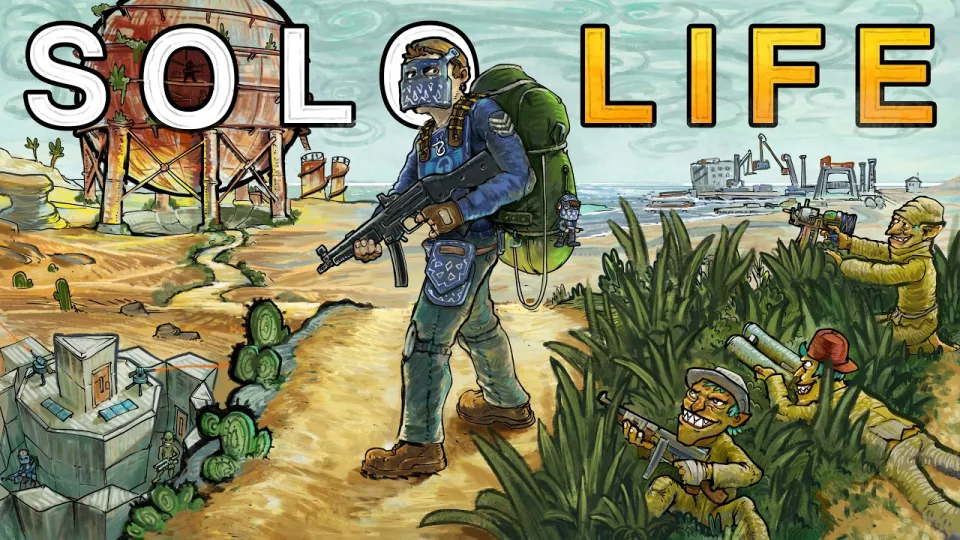
Video: Rust - THE SOLO LIFE V16
Need articles like this for your video? They help promote it on YouTube and Google — order them in the Telegram bot @sat_sit_bot. It writes articles around your video, embeds the video and publishes them on popular niche websites (no ads). Your first 50 articles are free.
· based on the channel Blooprint
Rust solo life is about turning one contested monument into a working base, holding it alone, and surviving the neighbors who want it back. Blooprint's latest solo episode shows exactly that loop: a solo player claims an OP monument, builds around it, and then defends the claim against several angry groups instead of quietly farming a corner of the map. The run is sponsored by War Thunder, and you can grab the free bonus and registration through this link if you want to support the channel while doing it.
What the solo life in Rust actually looks like
Solo Rust is not a slower version of group play; it is a different economy of time, risk and noise. A solo player has one body, one inventory and no one to watch the door while looting, so every decision about where to live and what to fight carries more weight than it does for a clan.
In this episode the plan is simple and aggressive: take an OP monument, use it as a resource engine, and accept that the noise will attract attention. Holding a monument alone means you get the loot, the recycler access and the traffic, but you also become the closest target on the server. The series' whole appeal is watching how a single player manages that trade instead of avoiding it.
Holding an OP monument as a solo player
Holding a monument solo is a logistics problem before it is a PvP problem. You need a base close enough to contest the loot but far enough that a raid group cannot simply walk in, and you need to keep your trips short so you are not caught in the open with a full inventory.
The practical checklist a solo player can copy from this style of play:
- Pick a monument with reliable traffic and useful loot, then build within a short sprint of it rather than on top of it.
- Keep the first base cheap and expandable, so losing a door does not mean losing the wipe.
- Stagger your runs: loot, deposit, craft, repeat, instead of hoarding a full inventory in the open.
- Expect company. If the monument is good, someone else already wants it, and the neighbors will arrive before you feel ready.
- Treat every fight near the monument as a defense, because losing there usually means losing access to your main income.
That last point is what turns a farming session into a siege. The episode's premise, fending off multiple angry neighbors while completely solo, is the natural consequence of claiming something worth fighting over.
Base defense and night raids when you have no teammates
Base defense alone comes down to preparation and information. Without a teammate to hold an angle or craft during a fight, a solo defender has to rely on the base layout, stored kits and the ability to hear what is happening outside before the first door falls.
Viewers of this episode repeatedly noticed how little is visible in the dark scenes, which is a real solo problem rather than a joke. Night fights in Rust punish players who cannot see silhouettes, so a solo defender should treat lighting, audio and a ready-to-go kit as part of the base, not as extras. If you cannot see the raid, you cannot choose when to fight it, and choosing the moment is the only real advantage a solo player has against a group.
The raid defense here is also a reminder that not every attacker is coordinated. Groups that spend ten or twenty minutes pushing a single solo base are burning their own wipe time, and a defender who stays calm can often outlast the push.
Neighbors, alliances and the two-solos-with-a-dream moment
The most memorable part of the episode is the raid defense where a friendly neighbor effectively turns the fight into two solos with a dream standing against a larger group. That is the closest thing Rust offers a solo player to a team: a neighbor who shares the same threat and the same wall.
Friendly neighbors are worth more than loot in solo Rust. They give you early warnings, extra guns in a defense and someone to trade with, and the cost is usually nothing more than not shooting first. The flip side is that the same server can produce neighbors who farm you for content, so the useful skill is reading which one you are dealing with before you open the door.
Parachute cargo plays and other solo tricks
A parachute cargo play is the kind of improvisation solo Rust rewards: using height and a parachute to reach cargo or reposition when the ground route is blocked or watched. It is not a safe strategy, but it is a fast one, and speed is how a solo player avoids the fight they cannot win.
The same logic covers smaller moments viewers picked up on, like a one-tap eoka kill. Solo players do not get to win long trades against groups, so cheap, decisive plays matter more than expensive loadouts. A starter base built early and a cheap weapon that punishes overconfidence are worth more than a box of gear you are afraid to lose.
What solo players should take from this run
Solo Rust rewards discipline more than aim. The pattern across this episode is consistent: claim something valuable, build cheaply around it, expect the neighbors, and defend with preparation instead of heroics.
- Choose one income source and protect it rather than spreading thin across the map.
- Keep a defense kit ready so a raid does not start with you crafting.
- Invest in audio and lighting; dark fights are lost before they begin.
- Value friendly neighbors and never assume a group is coordinated.
- Use movement tricks like parachute routes when the ground is watched.
Useful links
- War Thunder free bonus, PC and consoles
- War Thunder free bonus, mobile
- Blooprint on Twitch
- Blooprint on Kick
- Blooprint on TikTok
The solo life keeps delivering
This episode works because it does not pretend solo Rust is peaceful; it shows a single player deliberately picking a fight with the whole neighborhood and then surviving the consequences. The monument hold, the night defense and the neighbor who joined the fight give solo players a realistic picture of what a wipe looks like when you refuse to hide. Blooprint's channel is the place to follow the series, and if you want to support the work, use this link to pick up War Thunder for free.
Key takeaways
- Blooprint's solo run is built around one goal: hold an OP monument while fending off multiple angry neighbors alone.
- The episode is V16 of THE SOLO LIFE series and landed right after A Solo's Journey 4.
- Key beats viewers flagged: a night raid defense, a parachute cargo play and a 1-tap eoka moment.
- A friendly neighbor turned the raid defense into effectively two solos with a dream against a bigger group.
- The series returns to solo content after Blooprint said he would focus more on solo videos.
Source: Rust - THE SOLO LIFE V16 · Markdown version
Questions & answers
Is it realistic to hold a monument alone in Rust?
Yes, but only as a short-term plan with a cheap base and short loot runs. You will attract groups, so the goal is to profit from the monument before the neighbors organize, not to defend it forever.
How do solo players defend a base against a raid group?
Preparation beats reaction. Keep a ready kit, use base layout and audio to know where attackers are, and choose when to fight instead of rushing out. Groups often waste time on a solo base, which a patient defender can exploit.
Why are night fights so hard in Rust?
Visibility drops sharply and silhouettes disappear, so players without lighting or good audio are effectively blind. In solo play that is fatal, because you cannot rely on a teammate to call out movement.
What is a parachute cargo play in Rust?
It is using a parachute and height to reach cargo or reposition when the normal route is blocked or watched. It is risky and situational, but it lets a solo player move fast and avoid fights they cannot win.